


Dae
Premium Oriental Beauty Loose Leaf Tea
Premium Oriental Beauty Loose Leaf Tea
Couldn't load pickup availability
The tea that nature and human hands make together. Oriental Beauty is one of Taiwan’s most celebrated and storied oolongs — a tea whose remarkable honeyed sweetness cannot be manufactured, replicated, or rushed. It can only be grown, coaxed, and carefully brought to life through a rare partnership between a tea plant, a tiny insect, summer sunshine, and the skilled hands of a master tea maker.
The story of Oriental Beauty begins in the tea gardens of Hsinchu, Taiwan, during the hot summer months. As temperatures rise, a small insect called the tea jassid — also known as the leafhopper — begins to feed on the edges of the youngest, most tender tea leaves. In most crops, insects mean damage. Here, they mean something extraordinary.
In response to the jassid’s nibbling, the tea plant releases a cascade of natural enzymes and aromatic compounds designed to attract the insect’s predators. Those same compounds, when the leaves are carefully harvested and processed, transform into Oriental Beauty’s signature flavor: a naturally occurring sweetness of honeycomb, ripe stone fruit, and white flowers that no artificial flavoring could ever replicate. This is one of the only teas in the world where an insect is not a pest but a collaborator.
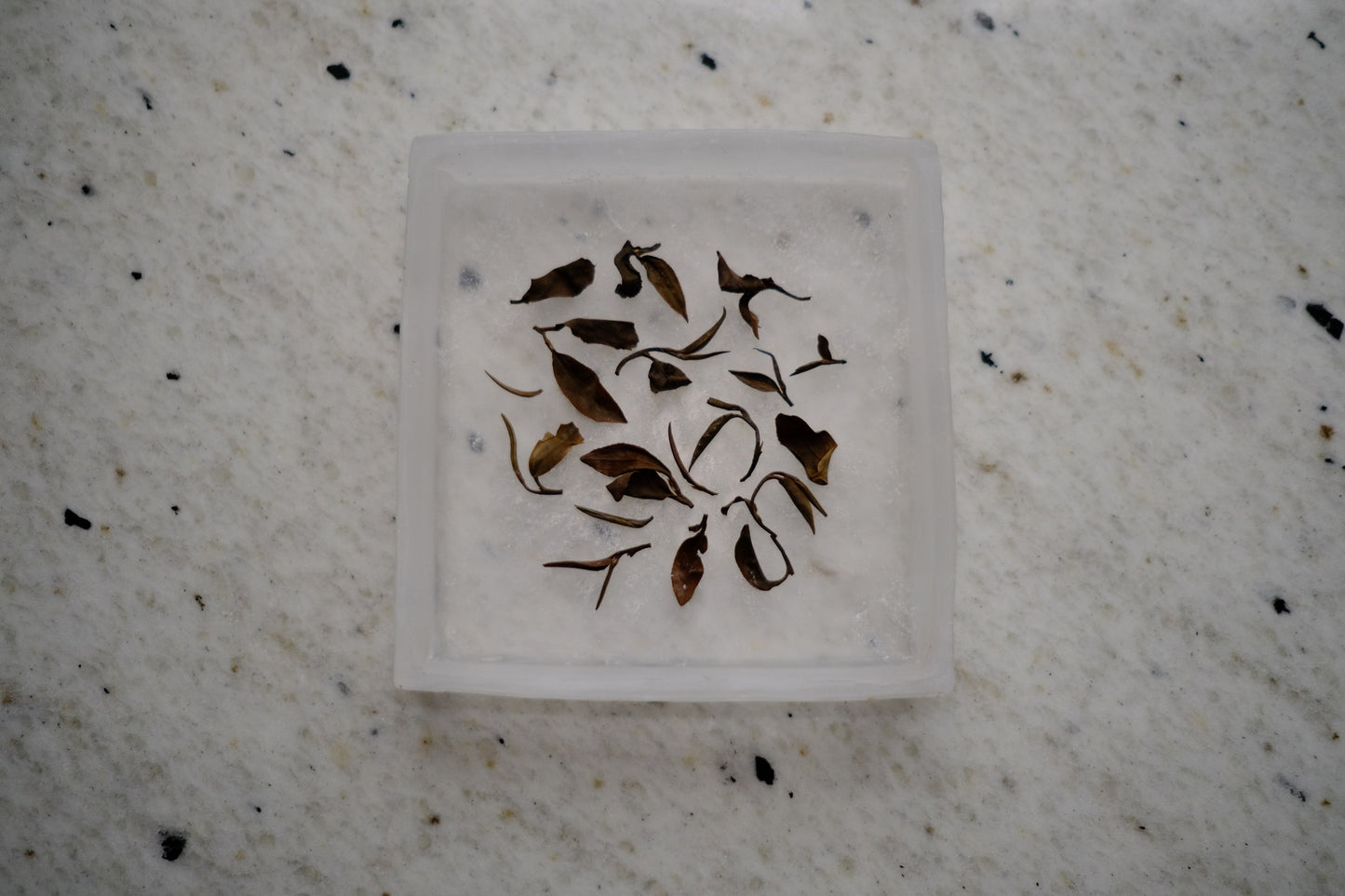
Only the most tender “one bud, two leaves” clusters are hand-picked — a painstaking selection that requires skilled pickers and produces small, precious batches. The leaves are then lightly oxidized and finished with a soft charcoal roast that deepens the complexity and adds a gentle warmth to the finish. The result is a tea of extraordinary elegance: bright, silky, naturally sweet, and deeply layered.
It was this elegance that reportedly so impressed Queen Victoria when she first tasted it that she named it Oriental Beauty — and it’s that same quality that has made it one of the most sought-after teas in the world ever since.
Product Details
|
Origin |
Hsinchu, Taiwan |
|
Cultivar |
Qing Xin Da Mao (青心大芀) |
|
Elevation |
300–800 meters above sea level |
|
Harvest |
Summer 2025, hand-picked (“one bud, two leaves”) |
|
Processing |
Natural jassid-induced oxidation, light charcoal finishing |
|
Format |
Premium loose leaf — available in 10g, 30g, 60g, and 120g pouches |
|
Caffeine |
Moderate, with natural L-theanine for calm, focused energy |
|
No added flavoring |
Every note in this tea is entirely natural |
Why Oriental Beauty Cannot Be Manufactured
Most teas can be grown anywhere with the right cultivar and conditions. Oriental Beauty is different. Its signature flavor only occurs when a very specific set of circumstances align simultaneously:
- The right cultivar — Qing Xin Da Mao — growing in the right region
- Summer heat that brings the tea jassid insects to the gardens
- The precise elevation and humidity of Hsinchu’s tea-growing areas
- The natural presence of jassid insects at exactly the right moment
- Master-level oxidation control that preserves and amplifies the insect-induced compounds
- A light charcoal finishing roast applied with decades of experience
Remove any one of these elements and you don’t get Oriental Beauty — you get something else entirely. It is, in the truest sense, a product of place, season, nature, and craft. That’s what makes each batch genuinely precious.
Tasting Notes
Aroma: Honeycomb, white flowers, and ripe orchard fruit — warm and inviting, with a complexity that deepens as the tea opens up.
Flavor: Silky and naturally sweet, with notes of apricot, peach, and a warm floral depth. The honey character is unmistakable and entirely natural — the direct result of the jassid process.
Body: Medium to full, smooth and coating, with a luxurious mouthfeel that sets it apart from lighter oolongs.
Finish: Long, clean, and naturally sweet — with a lingering warmth that stays pleasantly in the throat long after the last sip.
Liquor: Deep amber-gold, warm and luminous in the cup.
Brewing Guide
Gongfu Style — recommended for the full experience
- Leaf: 3.5–5g per 180–250ml water
- Water temperature: 190–200°F (88–93°C) — just off boiling
- First steep: 2–3 minutes
- Each additional steep: add 15–20 seconds
- Re-steeps: Oriental Beauty opens beautifully across 4–6 infusions — the honey notes deepen and evolve with each pour
Western Style — simple everyday brewing
- Leaf: 1 tablespoon (approx. 3.5g) per 8 oz cup
- Water temperature: 190–200°F (88–93°C)
- Steep time: 2–3 minutes
- No milk, no sugar — the natural sweetness of Oriental Beauty needs nothing added
Cold Brew — honeyed and refreshing
- Leaf: 5g per 600ml / 20 oz of room temperature filtered water
- Cover and refrigerate for 8–10 hours
- Cold brewing preserves the delicate honey and floral notes beautifully — the result is an extraordinarily clean, naturally sweet iced tea
|
Brewing tip: Use water just off the boil — not fully boiling. Oriental Beauty’s delicate floral and honey compounds are sensitive to extreme heat. Water at 190–200°F (88–93°C) gives you the fullest, most expressive cup without any bitterness. |
Pairing Suggestions
Oriental Beauty’s natural honey sweetness and stone fruit character make it one of the most food-friendly teas in the collection:
Fruit pastries — apricot tart, peach galette, or fruit crumble
Light sponge cakes, madeleines, or shortbread
Soft cheeses like brie or camembert — the honey notes are a natural match
Fresh stone fruit — peach, apricot, or nectarine
A quiet afternoon reading break, or any moment that deserves something truly special
Frequently Asked Questions
What makes Oriental Beauty tea unique?
Oriental Beauty is one of the only teas in the world where an insect — the tea jassid — plays an essential role in creating the tea’s flavor. The jassid’s nibbling triggers the tea plant to produce natural aromatic compounds that transform during processing into the tea’s signature honey, stone fruit, and floral sweetness. This process cannot be replicated artificially — it only occurs when the right conditions, cultivar, season, and craftsmanship all align.
What does Oriental Beauty tea taste like?
Naturally sweet, silky, and deeply floral — with notes of honeycomb, apricot, ripe peach, and white flowers. It’s often described as the most naturally sweet of all oolongs, with a warmth and complexity that deepens beautifully across multiple steeps. There’s no bitterness and no need for added sugar.
Why is it called Oriental Beauty?
The name is attributed to Queen Victoria, who was so taken with the tea’s extraordinary elegance when she first tasted it that she gave it the name Oriental Beauty. It has been known by that name — among others, including Bai Hao Oolong (白毫烏龍) and Dongfang Meiren (東方美人) — ever since.
How many times can I steep Oriental Beauty?
Oriental Beauty can be steeped 4–6 times when brewed gongfu style, with each infusion revealing a slightly different facet of the tea. The first steep is bright and floral; the second and third are often the most expressive, with the honey and stone fruit notes at their peak; later steeps become softer and more delicate. It’s a tea that rewards patience and attention.
What's the difference between Oriental Beauty tea bag and loose leaf?
Both use the same high-quality Taiwanese Oriental Beauty oolong, but the loose leaf version offers more control and a more expressive cup. With loose leaf you can adjust the quantity, steep time, and number of infusions to your preference — and gongfu-style brewing in particular unlocks a depth and complexity that a tea bag simply can’t match. If you’re new to loose leaf brewing, Oriental Beauty is a wonderful place to start.
Is Oriental Beauty tea caffeinated?
Yes — like all oolong teas, Oriental Beauty contains caffeine, at a moderate level between green tea and black tea. It also contains L-theanine, which promotes calm, focused alertness. Many tea drinkers find it ideal for an afternoon session — enough energy to stay sharp, with a natural calm that prevents the jitteriness of coffee.
What size pouch should I order?
The 10g pouch gives you enough for several gongfu sessions and is a great way to try Oriental Beauty for the first time. The 30g pouch is ideal for regular enjoyment over a few weeks. The 60g and 120g pouches are for those who already know they love it and want a generous supply for their daily ritual.
The DAE Difference
Our Oriental Beauty is sourced directly from Hsinchu — the region that produces Taiwan’s most celebrated expression of this tea — from the summer 2025 harvest. It is single-origin, minimally processed, and traceable to the gardens where it was grown. We choose small-batch producers who still practice the traditional hand-picking and oxidation methods that make Oriental Beauty what it is.
This is a tea with centuries of history behind it. We think it deserves to be treated with care — from the garden to your cup.
|
Main product shot |
Premium Oriental Beauty loose leaf oolong tea Taiwan DAE Tea |
|
Leaves close-up |
Oriental Beauty oolong tea leaves Hsinchu Taiwan jassid oxidation |
|
Brewed cup |
Brewed Oriental Beauty oolong tea deep amber golden liquor cup |
|
Lifestyle shot |
Premium Taiwanese Oriental Beauty loose leaf tea naturally honeyed |
|
Packaging |
DAE Tea Oriental Beauty loose leaf 10g 30g 60g 120g pouch Taiwan |
Share
Shopping Guide
Who This Tea Is For
This oolong suits tea drinkers who enjoy a silky, naturally sweet cup, with flavor leaning toward apricot, peach, and floral depth, backed by a honeycomb, white-flower, and ripe-orchard-fruit aroma. The body is medium to full and smooth, finishing long and clean with a gentle lingering warmth, and the brewed liquor is a deep amber-gold.
How To Brew It To Your Taste
This loose-leaf tea brews three distinct ways, so it's worth deciding up front which fits how you actually drink tea — a few concentrated infusions, one quick cup, or a slow make-ahead batch for iced tea.
| Method | Leaf Ratio | Water Temp | Steep Time |
|---|---|---|---|
| Gongfu (short, repeated infusions) | 3.5–5g per 180–250 ml | 190–200°F (88–93°C) | First steep 2–3 min, then add 15–20 sec per infusion; good for 4–6 infusions |
| Western (single cup) | 1 tablespoon (about 3.5g) per 8 oz | 190–200°F (88–93°C) | 2–3 minutes |
| Cold brew | 5g per 600 ml (20 oz) water | Refrigerated, no heat | 8–10 hours |
Whichever style you pick, use water just off the boil rather than fully boiling.
Spec Highlights
- Aroma: Honeycomb, white flowers, and ripe orchard fruit.
- Flavor: Silky and naturally sweet, with layers of apricot, peach, and floral depth.
- Body: Medium to full, smooth and coating on the palate.
- Finish: Long, clean, and naturally sweet, with a lingering warmth.
- Liquor color: Brews to a deep amber-gold.
- Serving suggestions: Pairs well with apricot tart, peach galette, fruit crumble, light sponge cake, madeleines, shortbread, brie, camembert, and fresh peach, apricot, or nectarine.
Common questions
Can this tea be made as iced tea? Yes. For cold brew, steep about 5 grams of leaves per 600 ml (20 oz) of water in the refrigerator for 8 to 10 hours. This slow method draws out a smooth, naturally sweet cup with honeycomb and orchard-fruit character, ideal served over ice.
How many cups can I get from one brewing session? It depends on the method. Gongfu-style brewing, using 3.5 to 5 grams of leaf per 180 to 250 ml of water, supports 4 to 6 short infusions from the same leaves, each steeped 15 to 20 seconds longer than the last. Western-style brewing, with 1 tablespoon (about 3.5g) per 8 oz cup, is typically a single steep of 2 to 3 minutes.
What do I need to brew this tea? Just water. Heat it just off the boil rather than fully boiling, around 190 to 200°F (88 to 93°C), which works for both gongfu and western steeping. Western-style, steep 2 to 3 minutes per cup; gongfu-style, start with a 2 to 3 minute first infusion and add 15 to 20 seconds to each re-steep after that, for up to 4 to 6 infusions total.


- 5 stars: 7 (88%)
- 4 stars: 1 (13%)
- 3 stars: 0 (0%)
- 2 stars: 0 (0%)
- 1 star: 0 (0%)
I've read about Oriental Beauty oolong tea for years and finally tried DAE Tea's version. The naturally honeyed sweetness is real — it's not a flavoring, it genuinely comes from the leaf. The aroma alone is worth the price: honeycomb, white flowers, and ripe apricot. Brewed gongfu style it gave me 5 beautiful infusions each one slightly different. A truly premium Taiwanese loose leaf oolong.
I bought the 30g pouch to try and immediately ordered the 60g. The Bai Hao oolong from DAE Tea is exceptional — the natural honey notes are unmistakable and nothing like artificially flavored teas. The story about the tea jassid insect creating the flavor is fascinating and you can genuinely taste the difference it makes. Smooth, complex, naturally sweet. This is what premium loose leaf oolong tea should taste like.
As someone who grew up in Taiwan, finding authentic Dongfang Meiren tea in the US is nearly impossible. DAE Tea's Oriental Beauty is the real thing — the honey and stone fruit notes from the jassid process are unmistakable. The light charcoal finishing adds a beautiful warmth. I brew it at 90°C gongfu style and get 6 incredible infusions. So happy to have found this.
I was brewing Oriental Beauty for the first time and literally stopped mid-sip because I couldn't believe how good it was. The natural honey flavor, the silky texture, the floral finish — it's unlike any other oolong I've had. The fact that the sweetness comes from a tiny insect's interaction with the tea plant is one of the most fascinating things I've learned about tea. No artificial flavoring — just an extraordinary leaf.
The Oriental Beauty loose leaf oolong is my weekend treat. I brew it gongfu style on Saturday mornings with my ceramic gaiwan and it makes the whole morning feel special. The natural honey notes and long sweet finish are remarkable. I'm working through the 30g pouch slowly to make it last — then I'll definitely order the 60g.
I've tried many oolongs claiming to be honeyed and none come close to this. The honey character in Oriental Beauty is completely natural — no additives, just the result of the jassid process. Combined with the silky mouthfeel and long floral finish, it's one of the most remarkable teas I've ever tried. Premium Taiwanese loose leaf oolong at its finest.
I visit Taiwan regularly for work and always bring back Bai Hao oolong. DAE Tea's Oriental Beauty is the only one I've found in the US that matches the quality I get there. The jassid-induced honey notes are authentic and the charcoal finishing adds exactly the right warmth. The 60g pouch is the best value.
I brought a small sample of Oriental Beauty to a dinner party and all six guests wanted to order their own. The naturally honeyed Taiwanese oolong is so unique and easy to love — complex enough for serious tea drinkers, approachable enough for beginners. The 10g pouch is perfect for gifting.